
Introduction
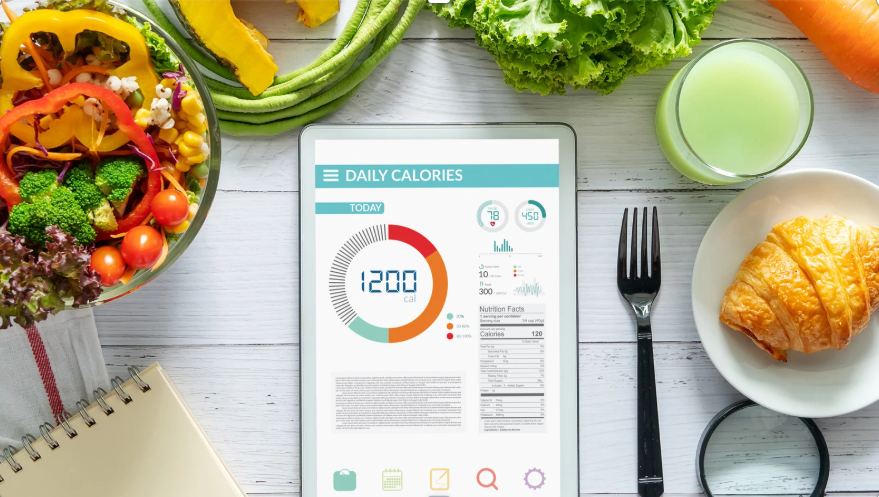
Weight loss can seem like a challenge when there is such a vast amount of information online with conflicting data. You’re told on the one hand not to eat carbohydrates and on the other to only eat specific types of food. When it comes down to the core issue, in order to lose weight, you need to achieve a calorie deficit. A calorie deficit occurs when you consume more calories than you expend on any given day. Once a calorie deficit is established, the body begins to use excess fat stores to fuel activities, and weight is subsequently lost over time. By understanding calorie deficits you can make the right food choices without needing to opt for a restrictive diet. This guide covers all you need to know about calorie deficit diets and all that comes with them.
What Is a Weight Loss Calorie Deficit Diet?
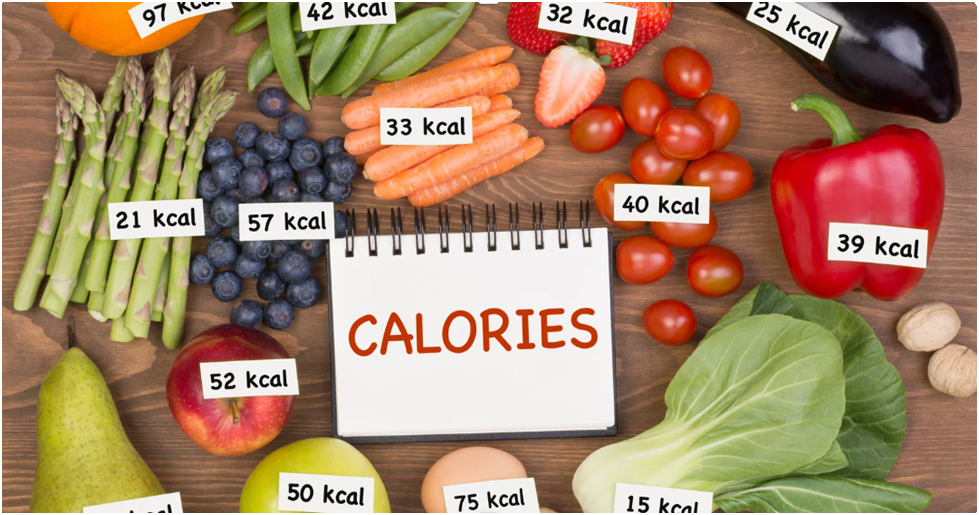
A calorie deficit diet plan is just a plan where you take in fewer calories than your body uses. Our body uses calories to breathe, walk, exercise, and function at a basic level. is called a calorie deficit. Calorie deficit diet plans are the foundation to nearly every effective weight loss plan that has ever existed. The rate at which you lose weight is based upon how big your calorie deficit is. If your calorie deficit is small, then you will lose weight at a slow and healthy rate. A larger calorie deficit diet plan, on the other hand, will most likely cause rapid weight loss. A deficit of calories too great could be causing problems such as the lack of energy, intense hunger, and nutritional deficiencies within the diet. The calorie deficit diet, a balanced one, should consist of lots of
Lean protein
Vegetables
Fruit
Grain
Healthy fats.
Advantages of a calorie deficit diet
A calorie deficit diet is a plan for weight reduction. Your energy levels boost, and the body gets in better shape. The risk of acquiring certain diseases like high blood pressure, heart disease, and diabetes can be improved with a calorie deficit. If done along with exercise and balanced nutrition, the body is maintained, and the amount of muscles is preserved. Metabolism is enhanced, and body weight loss with healthy food choices is the goal.
Creating a calorie deficit—the healthy way:
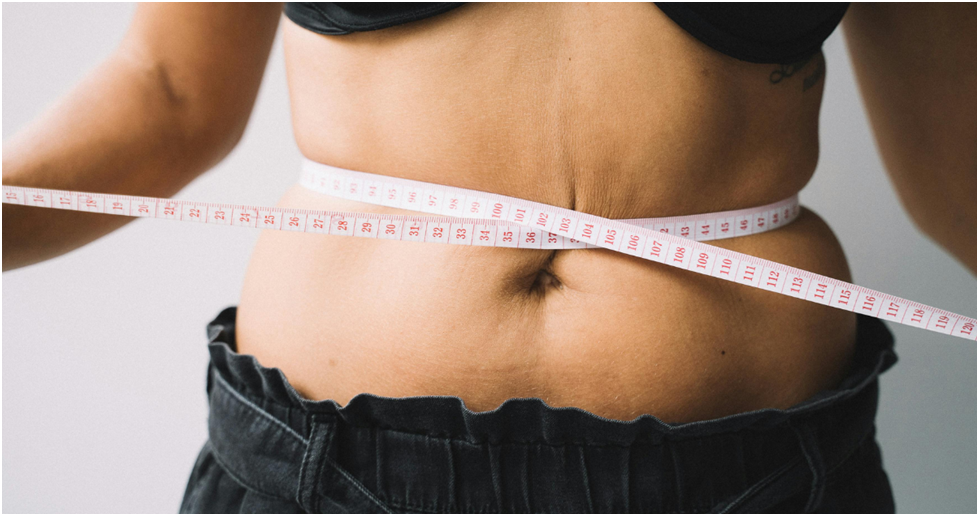
To begin, establish your body’s daily calorie needs. How much your body uses is dependent on several variables: age, gender, weight, height, and activity level. Once you have calculated your maintenance calories, then a healthy calorie deficit is created when you decrease your intake slightly. The guideline typically set for an individual to lose about a pound of fat a week is to reduce daily calorie intake by approximately 300 to 500 calories. Do not restrict your calories too drastically, as it is believed to actually decrease the body’s metabolism and can also increase your hunger levels. Select foods that are nutritious and fulfilling. Having protein-based foods such as chicken, fish, eggs, and beans will allow you to feel full, which in turn will make you not feel hungry. Another wonderful type of food to consume is vegetables and fruits, as they are relatively filling and include all the
Vitamins,
Minerals,
Fiber
required, yet they are very low in calories. This has the additional benefit of burning extra calories by exercising. A possible 300-500 extra calories could be used by walking, swimming, weight training, or cycling.
Common Pitfalls Calorie Deficit Diets

In reality, the number of calories that you are consuming throughout the day is generally an enormous overestimation of what you actually are consuming. Such things as little
Snacks
Drinks
Sauces
Treats, etc. are generally added up and consumed as one whole thing and in far higher quantities than you’d think. Calories are often prioritized over nutrition. Although foods may be ‘low’ on calories, these processed foods are generally low in nutrients and may leave you feeling tired and hungry throughout the day. Eating healthy, nutrient-dense foods will boost your health and keep energy levels high. Dieters also try to achieve an instant result; this is an unhelpful attitude to have. Losing weight at a healthy pace takes a while, and you should aim to be patient. Small day-to-day variations in weight are completely normal and do not always correspond with loss of fat. Lastly, avoiding exercise while eating in a calorie deficit will certainly make weight loss more challenging, as it can help with preserving lean mass and general fitness.
The key to long-term weight loss is to adopt a lifestyle that you can maintain not for weeks but for years. Begin with baby steps and aim for realistic goals that are actually achievable.
- Eat More Protein 🍗
Protein helps you stay full for longer and preserves muscle while losing weight. Include foods like chicken, fish, eggs, yogurt, lentils, and beans in your meals. - Track Your Calories
Use a calorie-tracking app or food diary to monitor your daily intake. Even healthy foods can slow weight loss if eaten in large amounts. - Choose Whole Foods
- Focus on vegetables, fruits, lean proteins, whole grains, and healthy fats. Whole foods are more filling and nutritious than processed foods.
- Drink Plenty of Water 💧
Sometimes thirst feels like hunger. Drinking water before meals can help reduce overeating and support digestion. - Stay Active Regularly 🚶
Combine your calorie deficit with exercise such as walking, strength training, cycling, or jogging. This helps burn extra calories and improves overall health.
Bonus Tip ⭐
Aim for a moderate calorie deficit (300–500 calories per day). Extreme dieting can cause fatigue and muscle loss and make it harder to maintain your weight loss long term.
Remember: Consistency beats perfection. Small healthy habits followed daily lead to lasting weight loss results.