The High-Protein Diet and How it helps weight loss
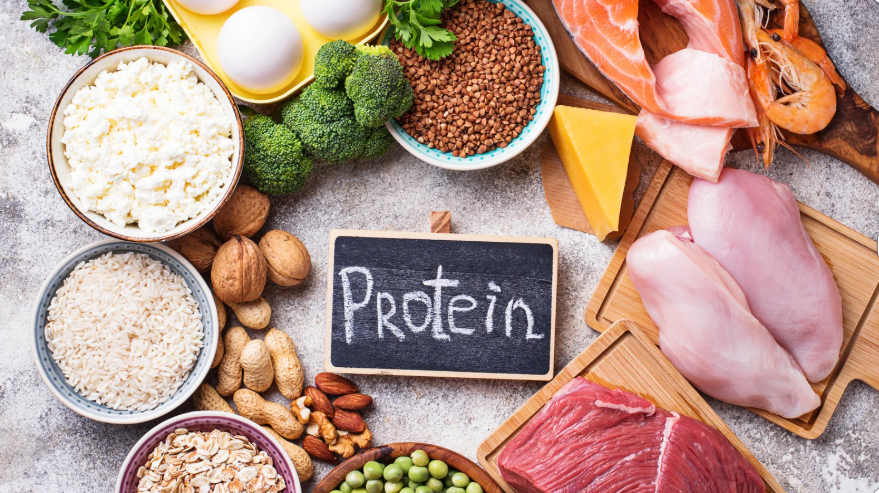
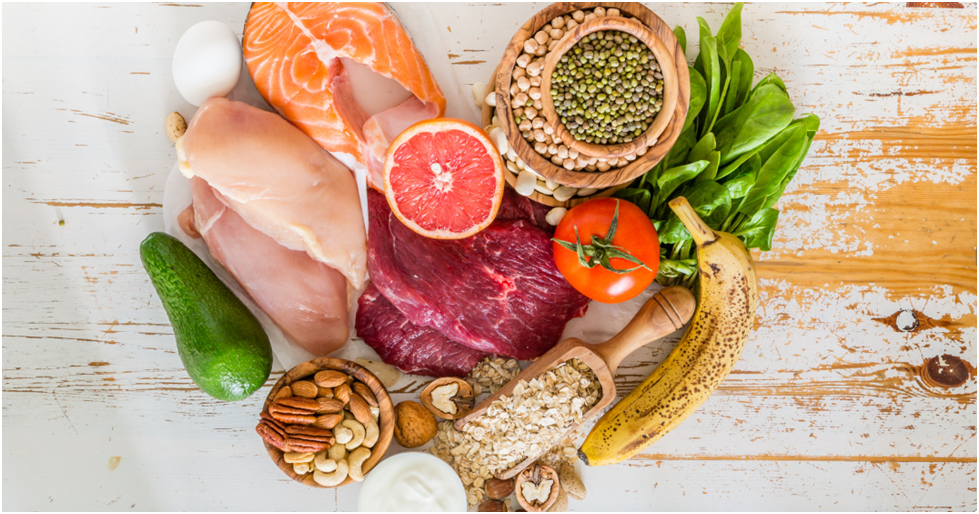
As nutritional approaches go, the high-protein diet is probably the most beneficial diet to an individual looking to lose weight and build or maintain lean body mass, as well as remain healthy. Protein is one of the essential macronutrients, which aids in cell growth and repair, hormone production, and countless other body processes. While on a high-protein diet, you will actually burn more calories through the digestion of food as it requires more energy for the body to break down. As you are consuming larger amounts of protein, most individuals feel fuller for a greater amount of time and therefore do not crave snacking between meals. Good sources of protein foods include meat, fish, eggs, dairy products, nuts, and beans.
How you controls appetite
Protein has proven successful in weight loss strategies mainly because it reduces the sensation of hunger. Acts on a number of hormones that play a role in appetite control; these are called ghrelin (also known as the hunger hormone) and peptide YY (a hormone related to the satiety response). The presence of high quantities of protein in the body reduces ghrelin and increases satiety hormones, thus resulting in the feeling of being full after meals. Individuals following a diet often feel less inclined to eat between meals. Such a tendency in appetite is called reduced cravings, and the effects can greatly decrease daily calorie intake without following very rigid diets or meticulously watching every bite of food eaten. An example of this may be having a filling breakfast, such as a dish of eggs, Greek yogurt, or a protein smoothie, which keeps the individual full throughout the morning and hence prevents inappropriate snacking. The digestion rate maintains consistent blood sugar levels. Such control over blood sugar levels leads to the avoidance of spikes in hunger as well as energy crashes, which might result in overeating, enabling the individual to stick to their diet.
The Effect of Protein on Metabolism and Fat Burning.
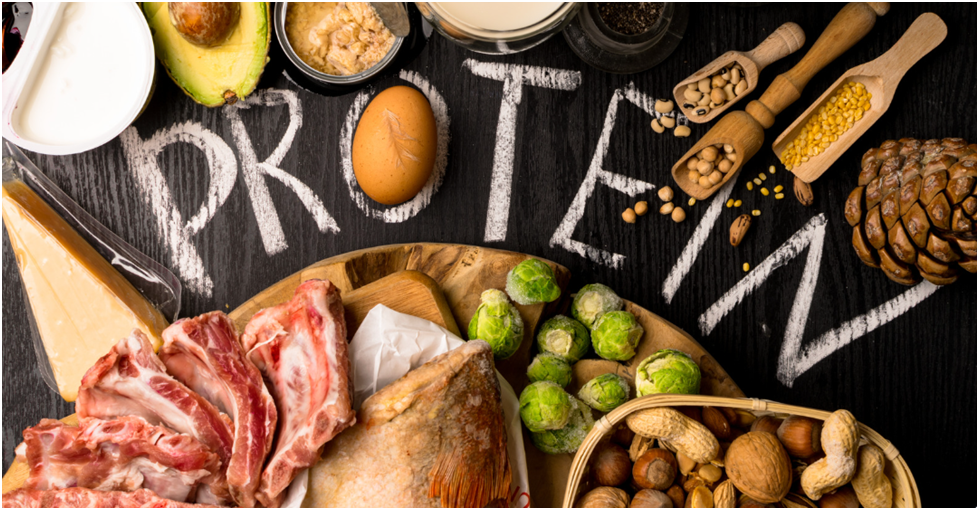
Another benefit protein has is its effect on boosting your metabolism and promoting fat burning. Your body has to spend more energy digesting, absorbing, and metabolizing protein than it does carbohydrate or fat. This means that over the course of the day you can actually burn more calories because of this effect, which is termed the “thermic effect of food” (TEF). Believed that protein can boost your metabolic rate by
15-30%
, whereas carbohydrates only do it by 5-10% and fat does it by
0-3%
This means that there is a much higher percentage of the calorie intake that is used to actually process your food, though the increase itself may seem small over time, the effects add up to more significant calorie expenditure when trying to lose weight. In addition to its effects on metabolism, protein also helps in maintaining your muscle mass when calorie-restricted. This is because muscles are metabolically active (i.e., they burn calories) even when you are at rest; this helps to maintain a higher resting metabolic rate. When you lose weight but preserve your muscle mass, you lose fat as opposed to muscle.
Best high-protein foods for weight loss
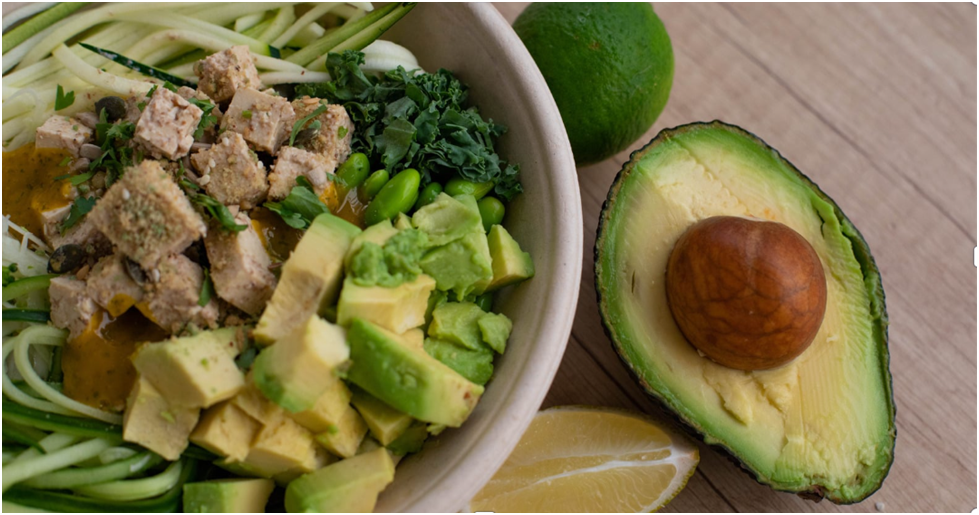
A well-chosen protein intake will be key to successful, healthy weight loss. Plant-based sources of protein also contribute hugely towards weight loss plans. Sources of plant protein, such as pulses
Lentils
Chickpeas
Beans
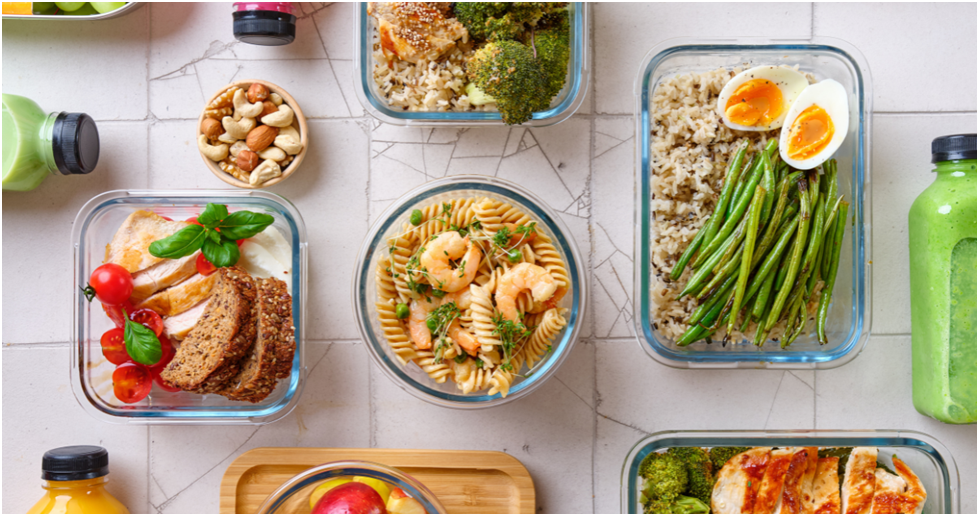
are high in both protein and fiber, providing a greater feeling of fullness, along with essential vitamins and minerals. Tofu and tempeh, although providing a lower level of protein compared to animal sources, are also excellent sources of nutrients, along with being highly beneficial towards a reduced-calorie diet. A standard meal could be grilled chicken breast with a large plate of vegetables, grilled salmon with a moderate portion of brown rice, or chickpea curry with a salad. Snacks would include
boiled eggs
cottage cheese or Greek yogurt
or a high-protein shake between meals to stave off hunger and keep levels of satiety high.
High-protein diet—efficiently!
The first thing is that following a high-protein diet requires preparation and adherence. First of all, determine the amount of protein needed on a daily basis and divide this amount equally among your meals. You should not eat all the protein content for dinner. You have to eat protein foods in every meal, from breakfast through lunch to dinner and in snacks. The second important tip, and also the one that greatly facilitates the observance of a high-protein diet, is preparation. If you prepare grilled chicken, boiled eggs, fish, and leguminous foods beforehand, you will always have healthy, protein-rich foods readily available throughout the week. Check out food labels! In most foods, sugar is hidden, and the protein content is minimal. The third aspect of a successful protein diet is hydration; high-protein foods may demand more water consumption due to the impact it may have on your body. Thus, drinking plenty of water can assist in digestion and health in general.
Conclusion
First of all. Determine the amount of protein needed on a daily basis and divide this amount equally among your meals. You should not eat all the protein content for dinner. You have to eat protein foods in every meal, from breakfast through lunch to dinner and in snacks. The second important tip, and also the one that greatly facilitates the observance of diet, is preparation. If you prepare
Grilled chicken,
Boiled eggs
Fish
Leguminous foods
Beforehand, you will always have healthy, protein-rich foods readily available throughout the week. Check out food labels! In most foods, sugar is hidden, and the content is minimal.