
Introduction
If you want to lose weight, it doesn’t mean starving yourself or following some strict diet. A good balanced diet is one of the most effective methods to lose weight and be healthy. By eating a well-balanced diet, your body will get all the nutrients it requires, and also it helps you control calories. The well-balanced diet contains protein, healthy fats, fiber, minerals, and vitamins. The well-balanced meals would boost your energy, decrease your appetite, and give long-term weight loss. A few simple changes can improve the way your body is nourished and help you lose a lot of weight in time. The objective is not about speedy results but about eating healthy forever. This guideline describes how a well-balanced diet helps to lose weight.
What Is a Balanced Diet?
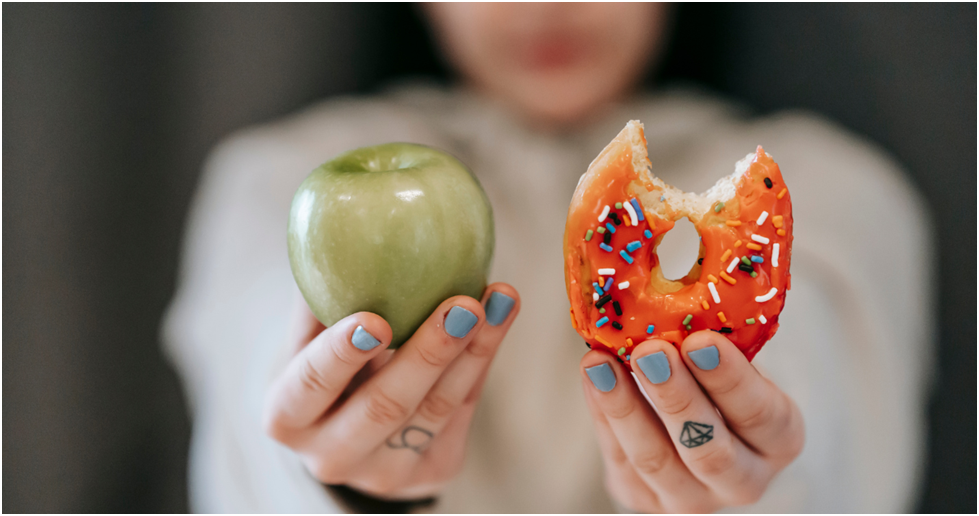
Eating a good and healthy balanced diet means eating a variety of foods in the right amount. In order to achieve optimal functioning of the body, the intake of many different nutrients from different food groups is essential. The intake of fruits, vegetables, whole grains, lean meats, and healthy fats will all give you many of the nutrients needed to keep you healthy. Protein will provide your muscles and keep you feeling fuller longer. The consumption of vegetables and fruits in the diet provides a great supply of vitamins and fiber. Whole grains supply the body with a continuous supply of energy. Healthy fats can support cardiovascular health. A diet that is considered well balanced can reduce an increase in caloric intake by allowing the body to obtain needed nutrients, can increase the health of digestion, and can support weight loss with adequate eating
The Importance of Protein for Weight Loss
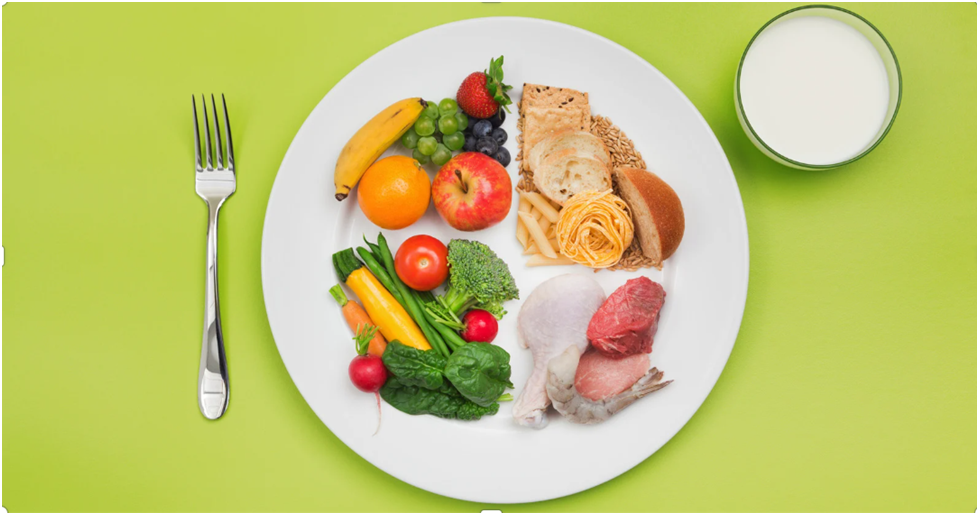
Protein is a crucial weight loss nutrient. It can increase fullness for several hours. Protein can help to curb appetite, which will control your grazing habits. Good sources of protein are
Eggs
Chicken
Fish
Beans
Lentils
Yogurt
Tofu
Protein will also help to maintain muscle mass when losing body fat. Increased muscle percentage will benefit the metabolic rate. Make protein, rather than high-carbohydrate foods (high in sugar), a component of your breakfast for the best benefit of feeling full.
Eat plenty of fruits, vegetables and fiber
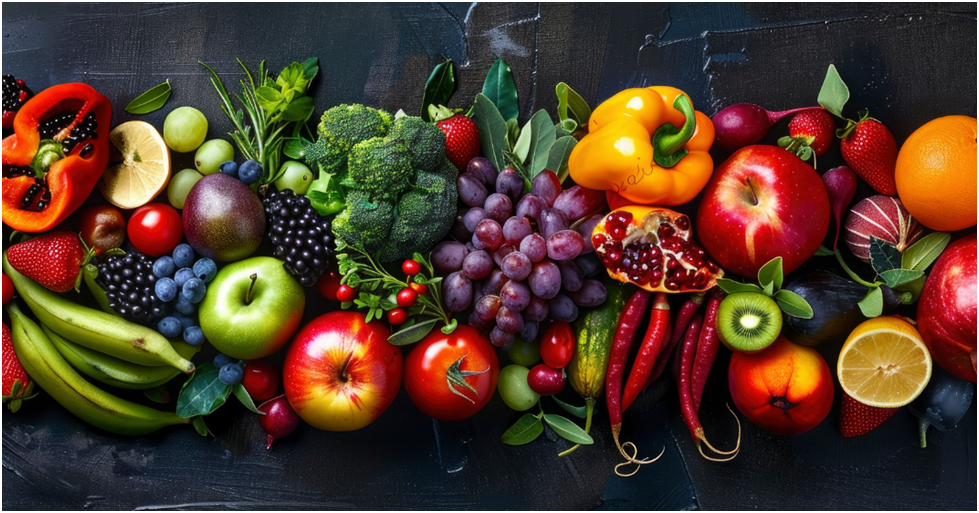
The food groups fruit and vegetables are wonderfully nutritious and low-calorie food groups. Balanced diets are a brilliant source of vitamins, minerals, and antioxidants and contain a significant amount of fiber. This is ideal when you want to lose weight, as the fiber is one of the best foods to give you a sensation of fullness for some time after you have eaten it. Good high sources of fiber consist of
Apples
Oranges
Berries
Carrots
Broccoli
Spinach
Beans
Load up your plate at mealtimes so that half of it is full of vegetables, use fruits as a healthy alternative to sweets for dessert, and make sure your bowel is satisfied. Eat as many vibrantly colored fruits and vegetables as possible per day.
The benefits of adopting a healthy eating pattern.

Weight loss is not just what you eat but how you eat. Try and chew your food thoroughly and listen to your body as you eat. If you snack while watching television or browsing on your mobile, you will find you tend to eat twice as much. Having a glass of water before a meal will diminish appetite and reduce food intake. Don’t go for seconds. Portion-controlled food placed on your plate should be sufficient. Meal pre-prepared for you to fall back on when hungry will eliminate your spontaneous choices for fast food. Do not habitually consume fizzy drinks, sugary foods, or fast food. All of the eating habit changes that you make should be sustainable. Small changes can cause greater changes to weight loss.
Plan healthy, sustainable

It must be a diet that you can stick with, and therefore crash diets or high expectations are not an option. You should be more about consistency than velocity; this is more realistically achievable and rewards you along the way. You have to try and find a few healthy things that you like, because otherwise the diet is going to be like punishment. Drink lots of water throughout the day, and get some kind of exercise. Walking, cycling, or light workouts will support the diet, as should getting 8 hours of sleep every night, as a lack of sleep can also have effects on appetite. Important Notes ·
Eat breakfast every day.
Include protein in every meal.
Fill half your plate with vegetables.
Drink 8–10 glasses of water daily.
Limit sugary drinks and junk food.
Control portion sizes.
Avoid skipping meals.
Choose whole grains over refined grains.
Get at least 7–8 hours of sleep.
Stay active for 30 minutes daily.
Focus on long-term healthy habits, not quick fixes.
Be patient and consistent with your weight loss journey.
Conclusion
A balanced diet is one of the safest and most effective ways to lose weight. It provides the nutrients your body needs while helping control hunger and calories. By eating more protein, fruits, vegetables, and fiber-rich foods, you can support healthy weight loss and improve overall well-being. Combine healthy eating with regular physical activity and good sleep for the best results. Small daily changes can lead to lasting success and a healthier future.